The Lean Indie Hacker Stack: Tools to Build and Ship a SaaS in 2026
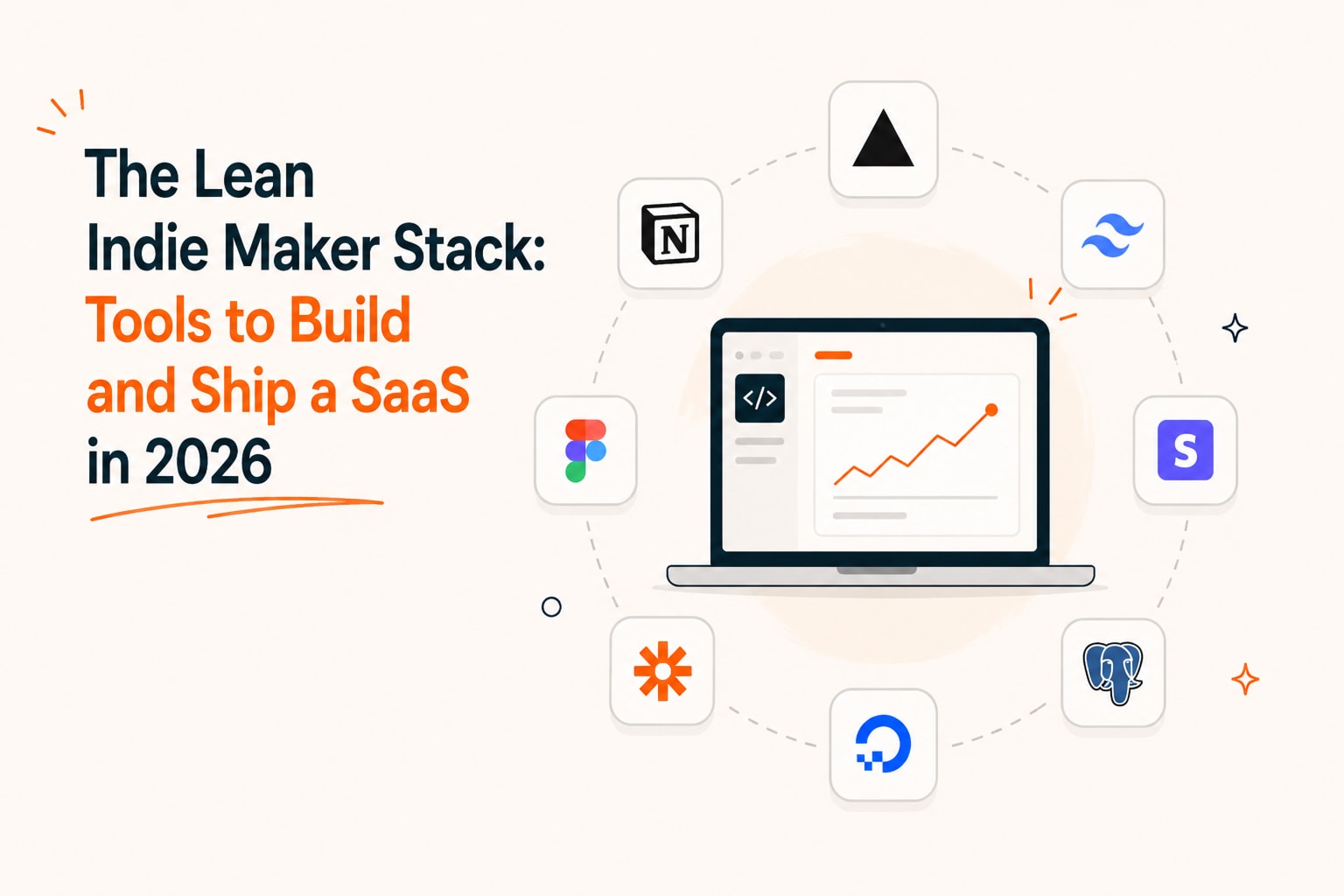
Building a software company used to require a team of engineers and a significant investment in hardware. Today, a single person with a laptop can build and launch a global product in a matter of days. This shift is possible because of the explosion of high quality tools designed specifically for the solo builder. The goal for any indie hacker is to minimize the time spent on infrastructure and maximize the time spent on building features that solve problems for users. This is what we call a lean stack.
A lean stack is not just about choosing the cheapest tools. It is about choosing the tools that provide the most leverage. You want software that handles the boring, repetitive parts of building a business so you can stay focused on your unique value proposition. In the current market, the developer experience is at an all time high. Many services offer generous free tiers that allow you to validate your idea before you ever have to pay a cent. This guide covers the essential components of a modern, lean stack.
The frontend framework
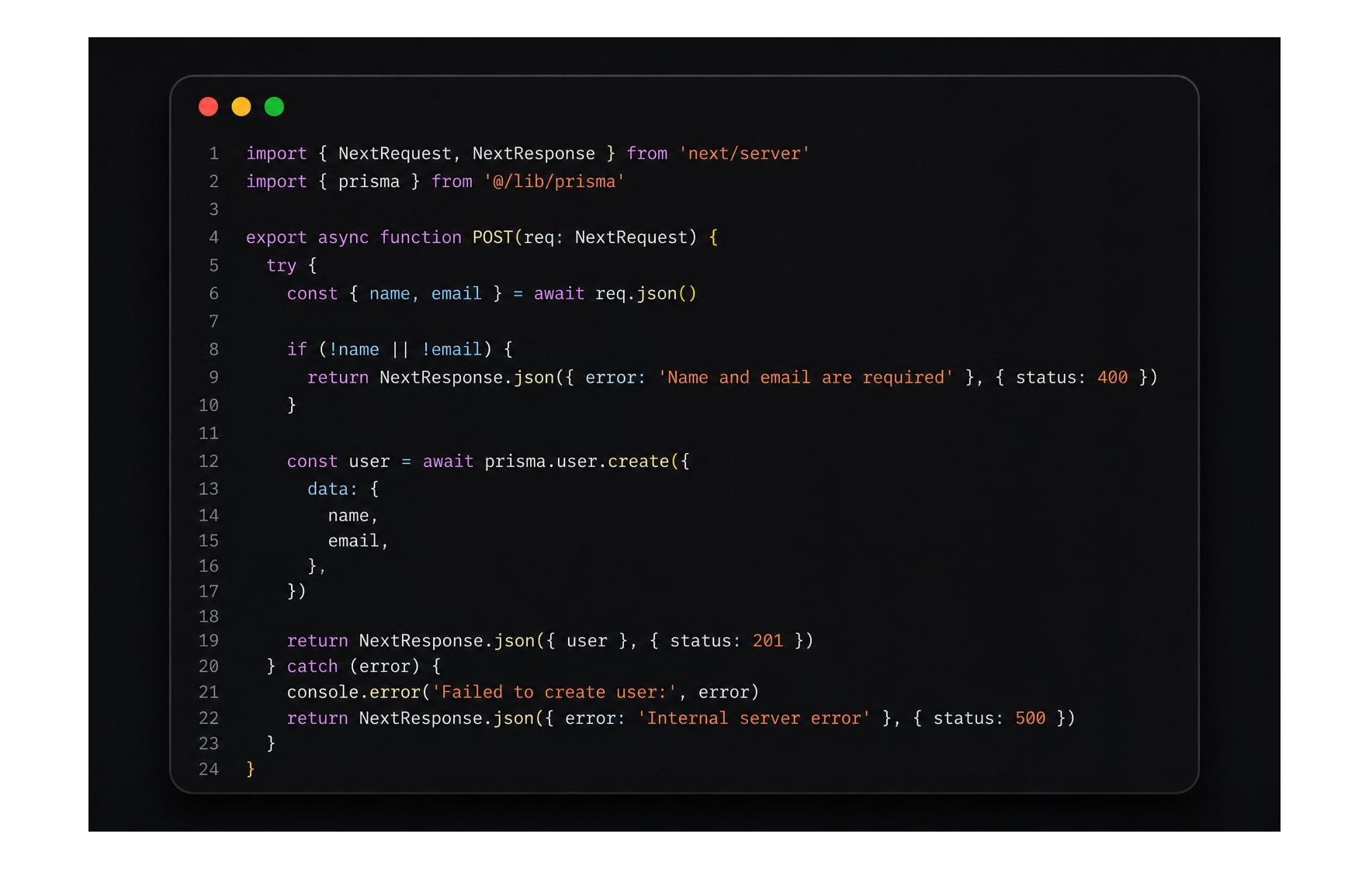
The choice of framework is the most important technical decision you will make. For most indie hackers, Next.js remains the top choice. It is a React based framework that provides everything you need out of the box, including routing, server side rendering, and an excellent developer experience. The community around Next.js is massive, which means you can find a library or a tutorial for almost any problem you encounter.
One of the biggest advantages of Next.js is its ability to handle both the frontend and the backend within the same project. This reduces the friction of managing multiple repositories and deployment pipelines. You can write your server side logic in api routes and keep your entire codebase organized in one place. For a solo founder, this simplicity is priceless.
If you are looking for alternatives, Remix is another powerful option. It focuses on web standards and provides a very fast user experience. For projects that are content heavy rather than highly interactive, Astro is a great choice because it ships minimal javascript to the browser. However, for a standard SaaS application, the ecosystem and maturity of Next.js make it difficult to beat.
The styling layer
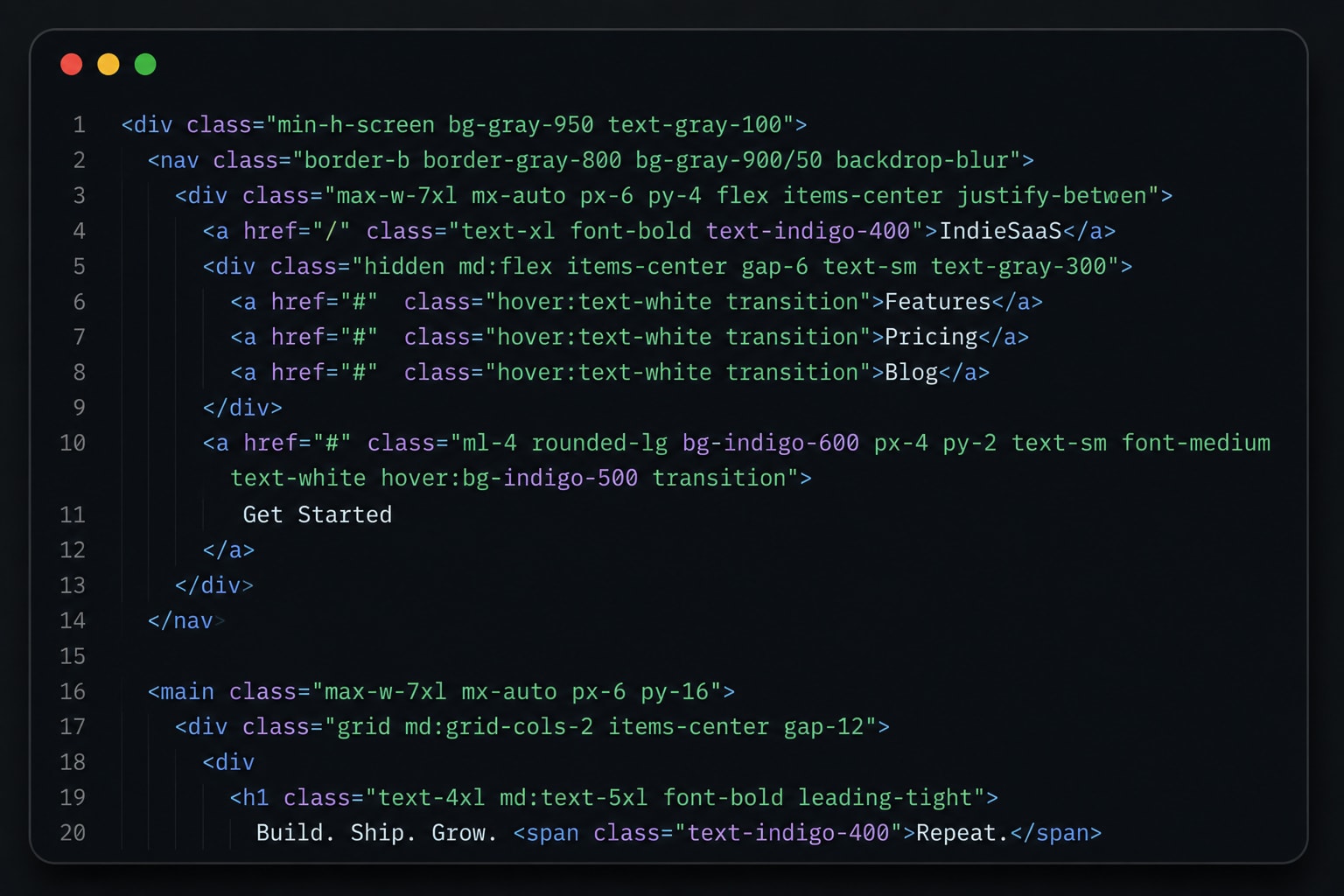
For styling, Tailwind CSS has become the industry standard for a reason. It is a utility first framework that allows you to build custom designs directly in your markup. You do not have to spend time naming classes or writing complex CSS files. Once you learn the utility classes, your development speed will increase significantly.
Tailwind also makes it very easy to maintain a consistent design language. Because you are using a predefined set of spacing, colors, and font sizes, your app will naturally look more professional.
There are also hundreds of free and paid component libraries, such as Shadcn UI, that are built on top of Tailwind. These libraries allow you to copy and paste high quality, accessible components into your project, saving you hundreds of hours of design and development time.
The database and backend
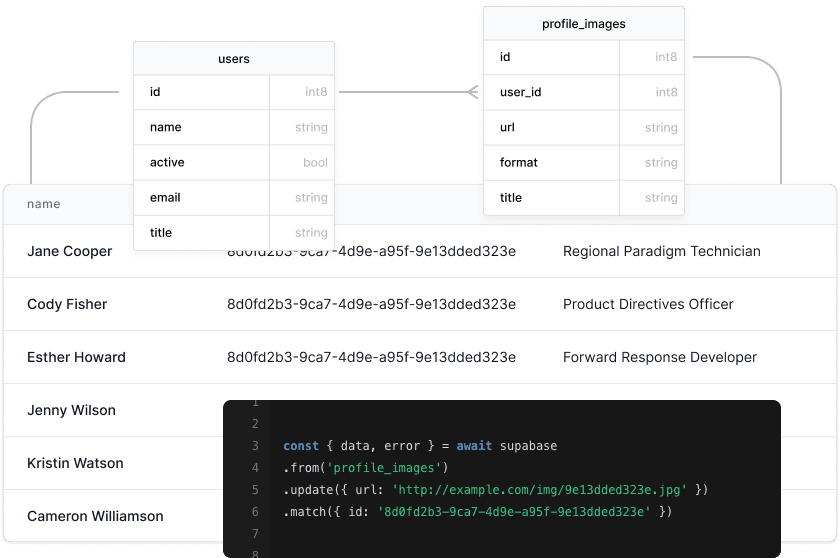
The days of setting up and managing your own database servers are over. For a lean stack, you want a serverless or managed database that scales automatically. Supabase is the most popular choice for indie hackers who want a relational database. It is an open source alternative to Firebase that provides a full Postgres database along with authentication, file storage, and real time capabilities.
The beauty of Supabase is that it gives you the power of a professional database with the ease of a serverless tool. You can manage your data through a clean dashboard and use their javascript client to interact with your database from your frontend. It handles all the complex parts of database management so you can focus on your data model.
For founders who want something even simpler, Pocketbase is an excellent choice. It is a single file backend that includes a database, auth, and file storage. It is incredibly easy to deploy and very fast. If your project is a simple tool or an mvp, Pocketbase might be all you need. If you prefer a non relational approach, Firestore is still a solid option, although it can be more difficult to query as your data grows in complexity.
Authentication and security
You should never build your own authentication system. It is a complex and risky task that adds zero value to your users. Instead, use a dedicated service like Clerk or Supabase Auth. Clerk has quickly become a favorite among indie hackers because of its beautiful pre built components and its focus on the developer experience.
With Clerk, you can add a full sign up and login flow to your app in minutes. It handles social logins, multi factor authentication, and user profile management out of the box. This ensures that your users data is secure and that your login process is professional from day one. Using a dedicated auth provider also makes it much easier to scale as your user base grows.
Payments and taxes
If you want to get paid, you need a way to accept credit cards. Stripe is the gold standard for payments, providing a powerful API and a beautiful checkout experience. For many founders, Stripe is the only choice they ever consider. However, there is a significant challenge when selling software globally: sales tax.
Handling international taxes can be a legal nightmare for a solo founder. This is where a merchant of record like Lemon Squeezy becomes valuable. They sit between you and the customer, handling all the tax collection, reporting, and compliance for you. They also provide a simple way to manage subscriptions and license keys. While they take a slightly higher fee than Stripe, the peace of mind they provide is worth every penny for a lean indie hacker.
Email and communication
Communication is key to retaining users and growing your business. For transactional emails, such as password resets and welcome messages, Resend is the current leader. It is built for developers, with a clean api and an excellent library for designing emails using React. It removes the pain of traditional email services and ensures that your messages actually land in the inbox.
For marketing automation and newsletters, Loops is a great choice for startups. It is designed to be simpler and more intuitive than older tools like Mailchimp. You can easily set up automated sequences based on user behavior, such as sending a tips email three days after someone signs up. Keeping your communication simple and automated allows you to build a relationship with your users without spending hours every week on manual emails.
Analytics and user behavior
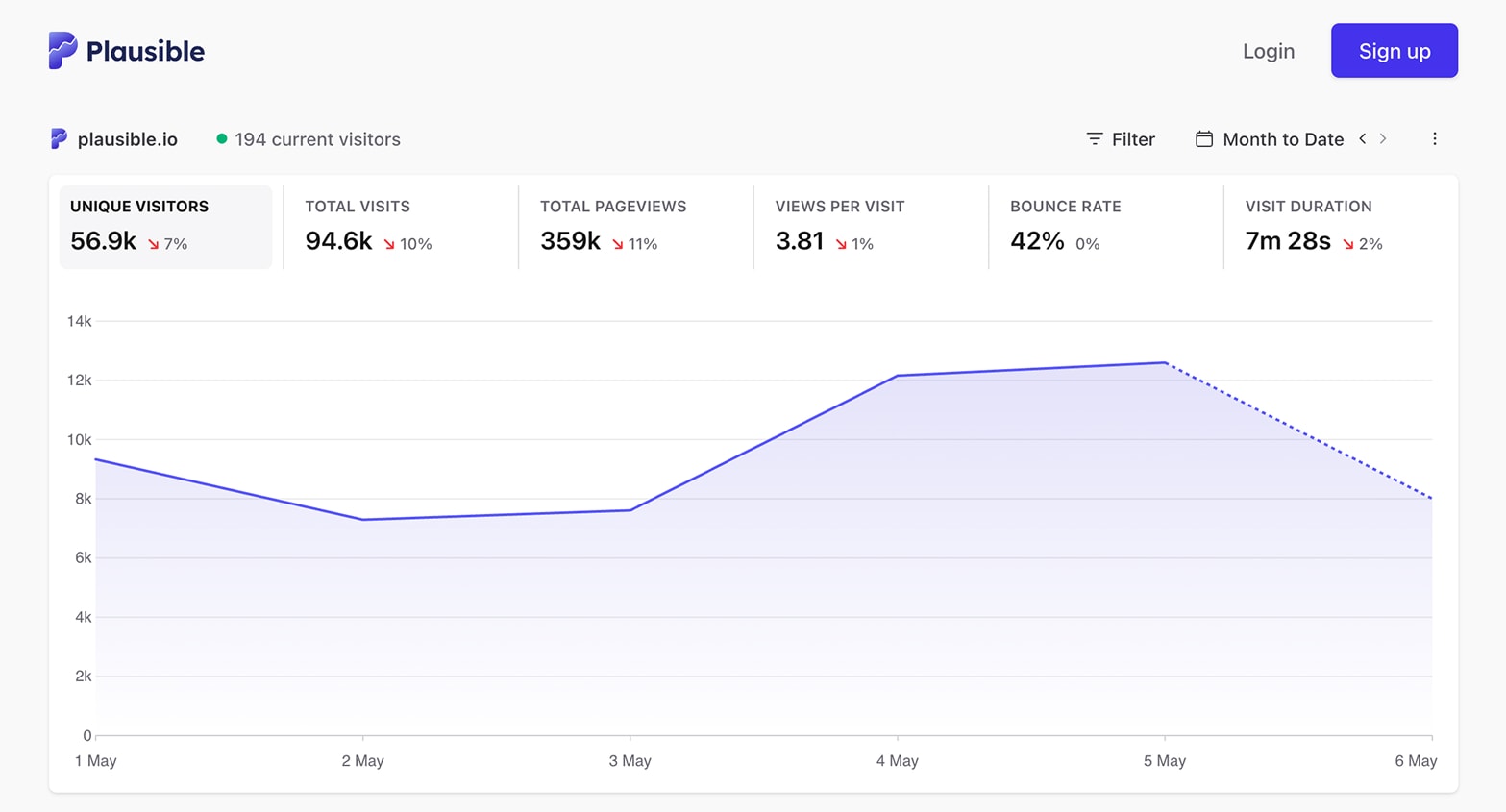
You need to know how people are using your product so you can make informed decisions. For a lean stack, privacy first analytics are the best choice. Plausible is a simple, lightweight alternative to Google Analytics. It provides all the essential data you need without tracking your users or requiring a complex setup. It is easy to read and tells you exactly where your traffic is coming from.
If you need deeper insights into user behavior, such as event tracking and feature flags, PostHog is an incredible all in one platform. It combines analytics, session recordings, and heatmaps into a single tool. This allows you to see exactly where users are getting stuck in your product and which features are providing the most value. Having all this data in one place helps you stay focused on the improvements that will actually move the needle.
Deployment and infrastructure
Where you host your app is just as important as how you build it. Vercel is the natural choice for Next.js projects. It provides a seamless deployment experience where every push to your code repository automatically creates a new preview deployment. Their global edge network ensures that your app is fast for users all over the world.
For your backend services or long running tasks, Railway or Fly.io are excellent options. They allow you to deploy any dockerized application with minimal configuration. They are much easier to use than traditional cloud providers like aws or google cloud, which can be overwhelming for a solo founder. These platforms allow you to scale your infrastructure as your traffic grows without requiring you to become a devops expert.
The planning and roadmapping layer
Even with the best technical tools, a project can fail if it lacks direction. You need a way to organize your ideas and share your progress with your users. This is where your product management tool comes in. For an indie hacker, a public roadmap is one of the most important parts of the stack.
IndieRoadmaps is the perfect tool for this. It allows you to take all the features and ideas in your head and turn them into a clear, visual plan. By making your roadmap public, you are creating a signal of life for your product. You are showing potential users that you are actively building and that you have a vision for the future.
Using IndieRoadmaps helps you stay lean by providing a simple way to validate features before you build them. You can let your users vote on what they want most, which ensures that you are always working on the highest value tasks. This prevents you from wasting time on features that nobody wants. It also provides a level of accountability that is essential for a solo founder. When your plans are public, you are much more likely to follow through and ship.
The platform also acts as a bridge between your development work and your marketing. Every time you move a feature to the shipped column, you have a story to tell. You can share your progress on social media and point people toward your roadmap to see what is coming next. This builds trust and momentum, which are the two most important factors for the success of any new SaaS.
By choosing a lean stack that includes IndieRoadmaps, you are setting yourself up for success. You are using tools that prioritize speed, simplicity, and user engagement. You are removing the friction from the building process so you can focus on the thing that matters most: creating a product that people love and are willing to pay for.
Summary of the 2026 lean stack for indie hackers
The goal of this stack is to help you ship faster and with less stress.
Frontend: Next.js with Tailwind CSS.
Backend and Database: Supabase or Pocketbase.
Auth: Clerk or Supabase Auth.
Payments: Lemon Squeezy for tax compliance.
Email: Resend for transactional, Loops for marketing.
Analytics: Plausible for traffic, PostHog for behavior.
Deployment: Vercel and Railway.
Planning: IndieRoadmaps.com for validation and transparency.
The best stack is the one that allows you to stay in flow and keep shipping. Do not spend too much time overthinking every choice. Pick the tools that feel right for you and start building. The market moves fast, and the most important thing is to get your product in front of users as quickly as possible.
With this lean stack and a clear roadmap, you have everything you need to build a successful and sustainable SaaS business. Start your journey today and show the world what you are building.